First and Foremost

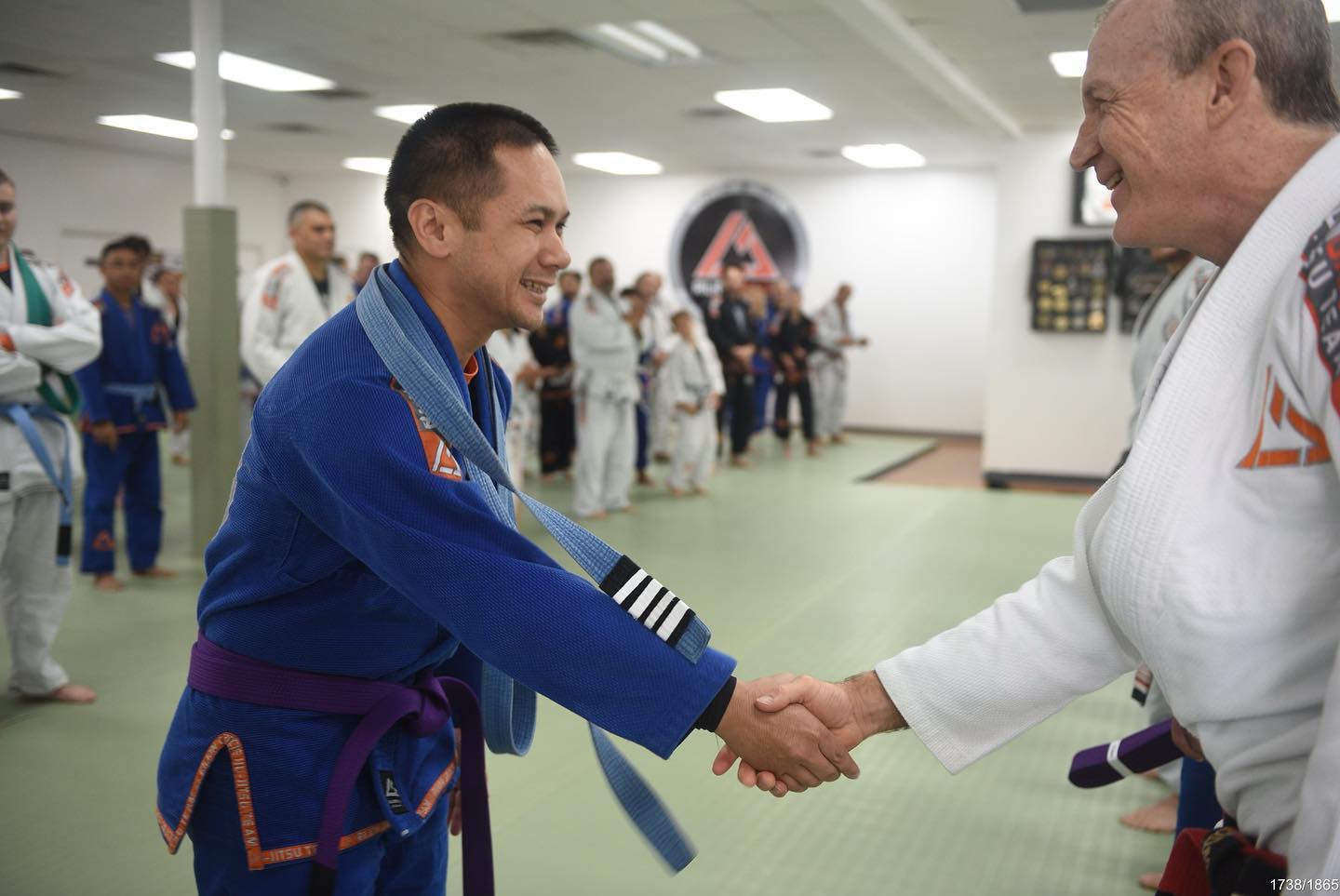
I am not a black belt. In fact, I never fathomed the possibility of ever earning a black belt. I used to treat jiu-jitsu like any other hobby I would try out for a while until eventually setting it aside for something more appetizing. But jiu-jitsu is different. It is one of the few hobbies I have picked up at this stage in my middle-aged life; a stage when I have been more selective about the things that are part of who I am. This had me wondering why jiu-jitsu has been one of the few exceptions. These are simply my thoughts as a jiu-jitsu student at this checkpoint in my jiu-jitsu journey. I will start with reasons I consider most obvious and then end with what I consider most valuable.
Fighting
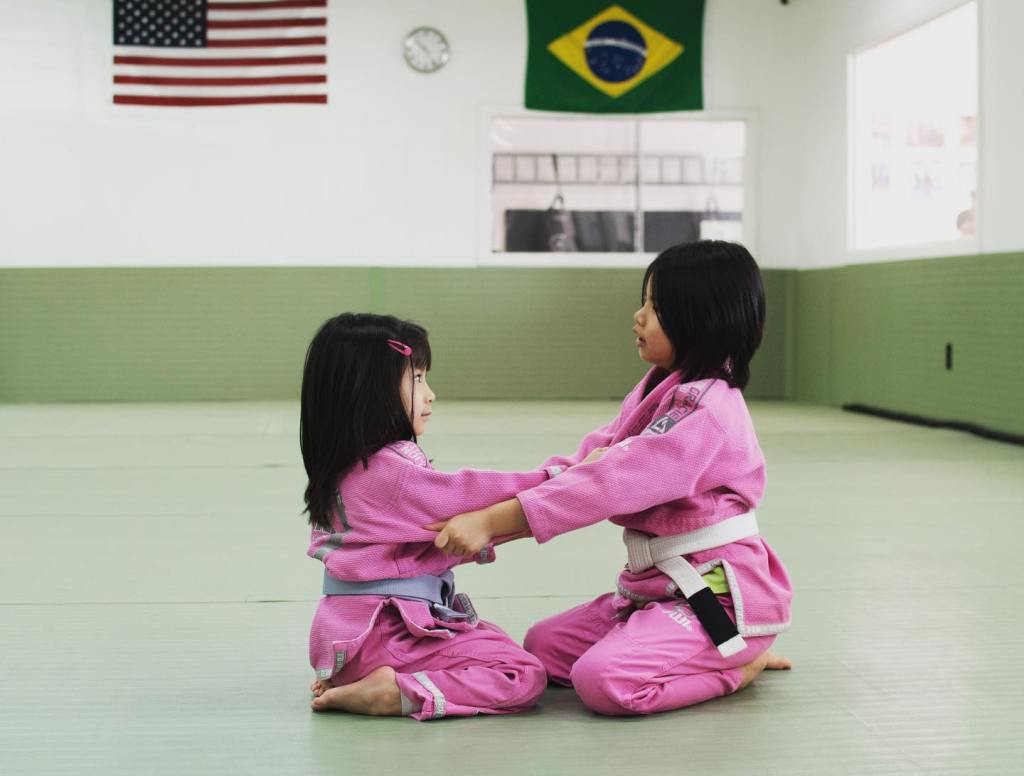
I cannot relate to this one first hand because, like competing, I am not in jiu-jitsu for this reason. But I do have a wife and two daughters, all of whom could someday be a target for some bully, predator, or criminal. Jiu-jitsu arms them (and me) with self-defense tools to use as we see fit, even if all external tools are unavailable. More importantly, jiu-jitsu emphasizes distance control and de-escalation over aggressive ways to harm or incapacitate opponents. In jiu-jitsu, we learn just as much about how to prevent a fight as we do about how to perform in a fight. Should an actual fight occur, jiu-jitsu helps avoid many legal troubles in schools or with the police since assault charges are usually defined by punching and kicking, not by “passing the guard and remembering the underhook.” It may be debatable whether or not jiu-jitsu is superior to other styles of martial arts, but it is clear to me that it creates a lot more opportunities to survive, especially against bigger and stronger opponents.
Fitness
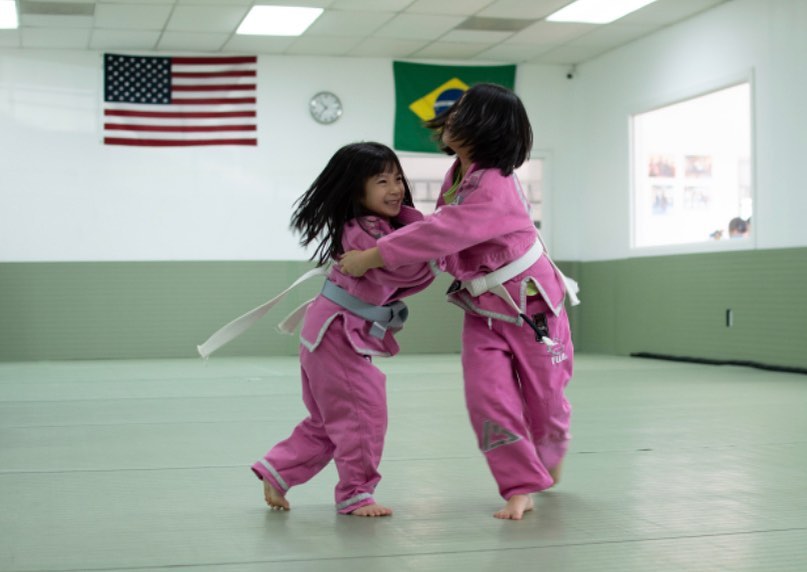
I do not consider anyone in our family a phenomenal athlete; except maybe our eldest daughter. However, we do like maintaining an active lifestyle. We try other activities to stay active such as hiking, biking, swimming, and rock climbing. But the only one we do regularly is jiu-jitsu. Even on my worst day of training, jiu-jitsu is one of the best workouts I have ever had. Any typical class is a rare blend of weightlifting, cardio, and body movement. No prior experience or physical abilities are required to get started, but those of us who continue to train regularly notice improved stamina, agility, strength, balance, and coordination. Jiu-jitsu training keeps me honest about eating healthier and taking care of my body as my hair turns grey and I notice the physical limitations that come with getting older. I admit that there are days when thoughts of a grueling jiu-jitsu class will persuade me to favor the couch instead of the mat. But the intoxicating feeling of finishing a great class is so exhilarating that I have never wished I had stayed home instead. Ever.
Fun
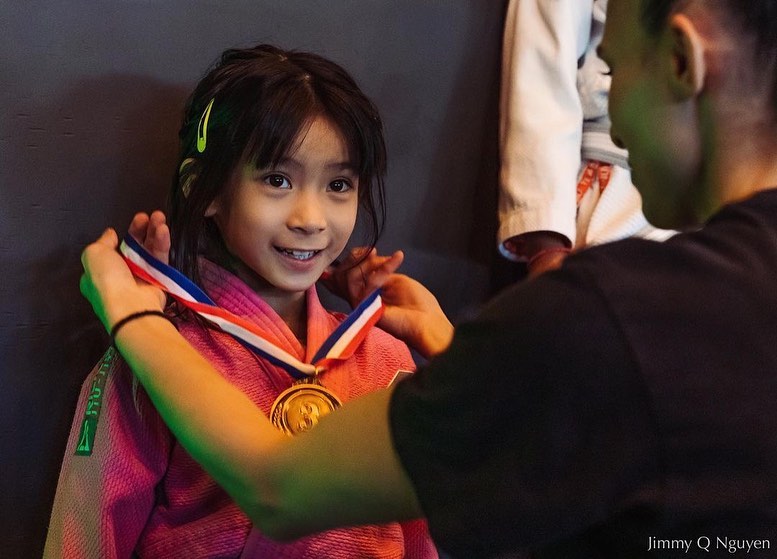
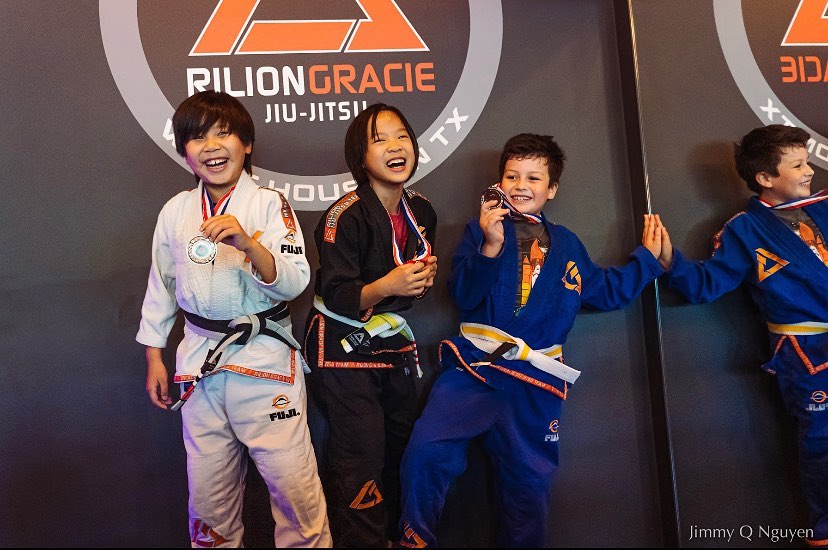
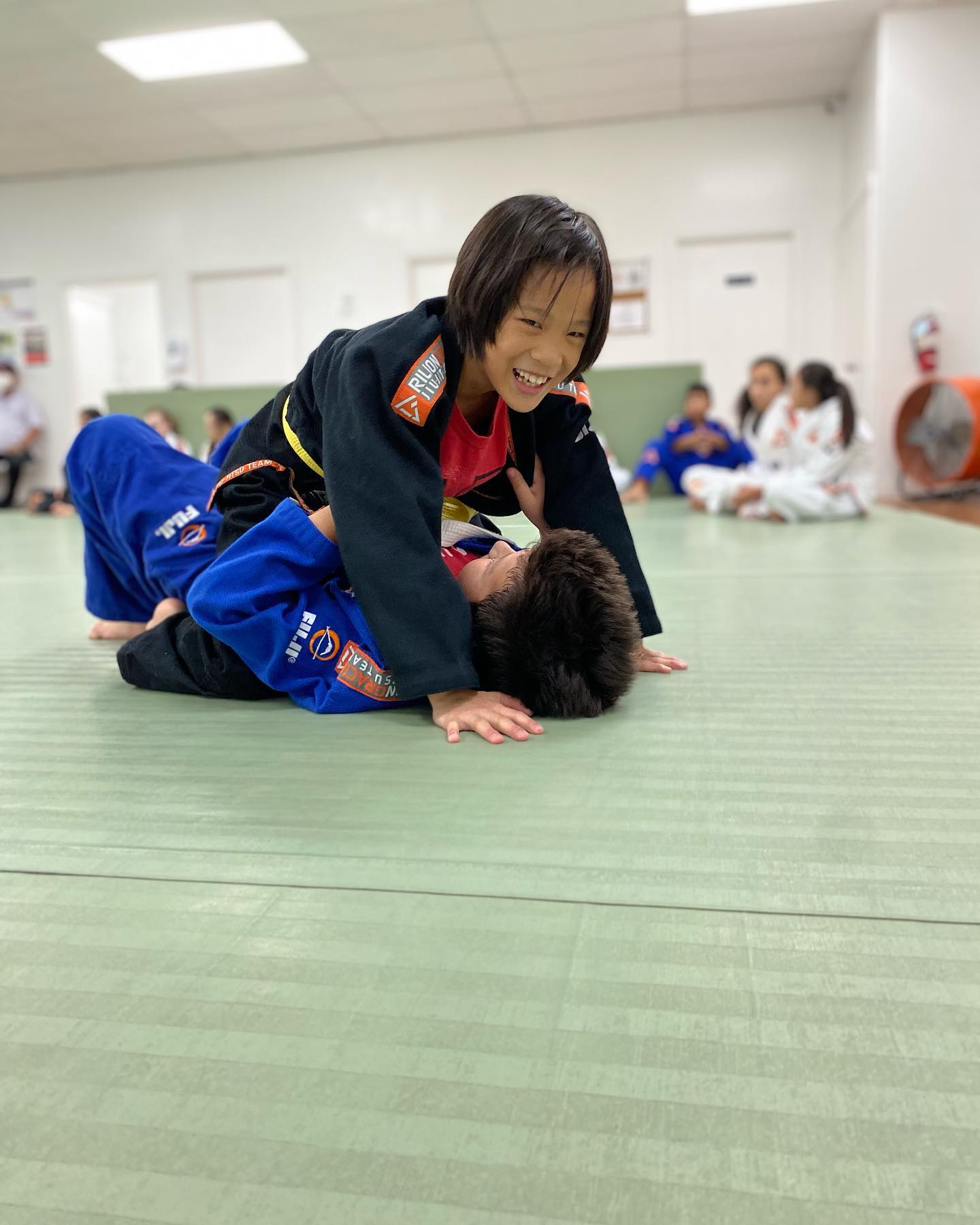
I find that jiu-jitsu is most enjoyable when it is mentally challenging, and it is most challenging during the rolling (aka “sparring”) sessions. To the untrained eye, rolling probably looks like a giant hugfest at best. At worst, it looks like two people trying to kill each other. In my mind, though, jiu-jitsu rolling is just a big game where one person tries to outthink the other. This is a treat for those of us who are into puzzles, rubik’s cubes, chess, and video games. Jiu-jitsu rolling unlocks a treasure box of problem solving opportunities where equations are created and calculated based on variables of dynamic body positions. Although attributes like toughness and mobility foster a physical advantage, this mental battle gives power back to those who can concentrate and execute a self-written strategy based on a handful of data points. This is probably why a lot of students still think about the rolling sessions on the drive home from class and have YouTube watch histories filled with jiu-jitsu techniques and tournament footage.
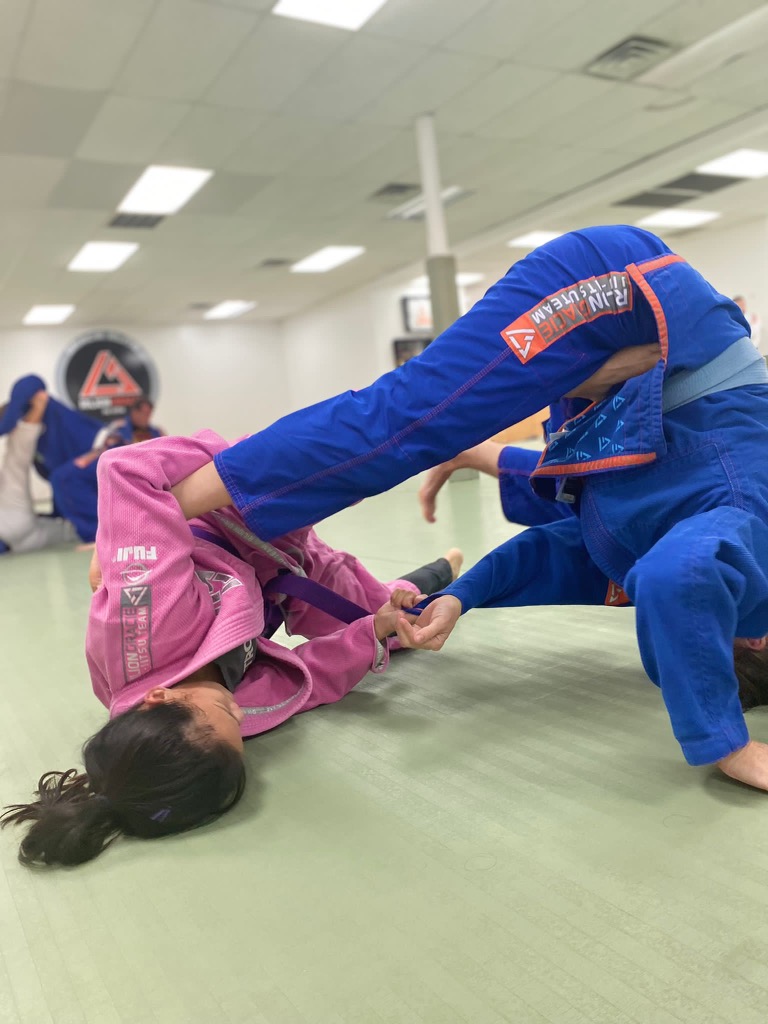
The mental game of jiu-jitsu offers one of the most underrated benefits of any physical activity. But this does not mean it is not also playful. Humorously, jiu-jitsu has been described as ‘involuntary yoga’ or ‘the art of folding clothes while someone is still wearing them.’ Technically, a training partner’s goal is to choke you, break you, or submit you; nap, snap, or tap. Realistically though, the majority of rolling is jockeying for dominant positions on the path toward this goal. What starts as a foundation of memorizing a handful of moves turns into a dance between two people, both of whom are trying to take the lead through conflict and compromise. After a vigorous 5-10 minutes, everyone rotates to a different partner and the cycle repeats until the end of class. Then we roll some more after class because of how fun it is.
Friends
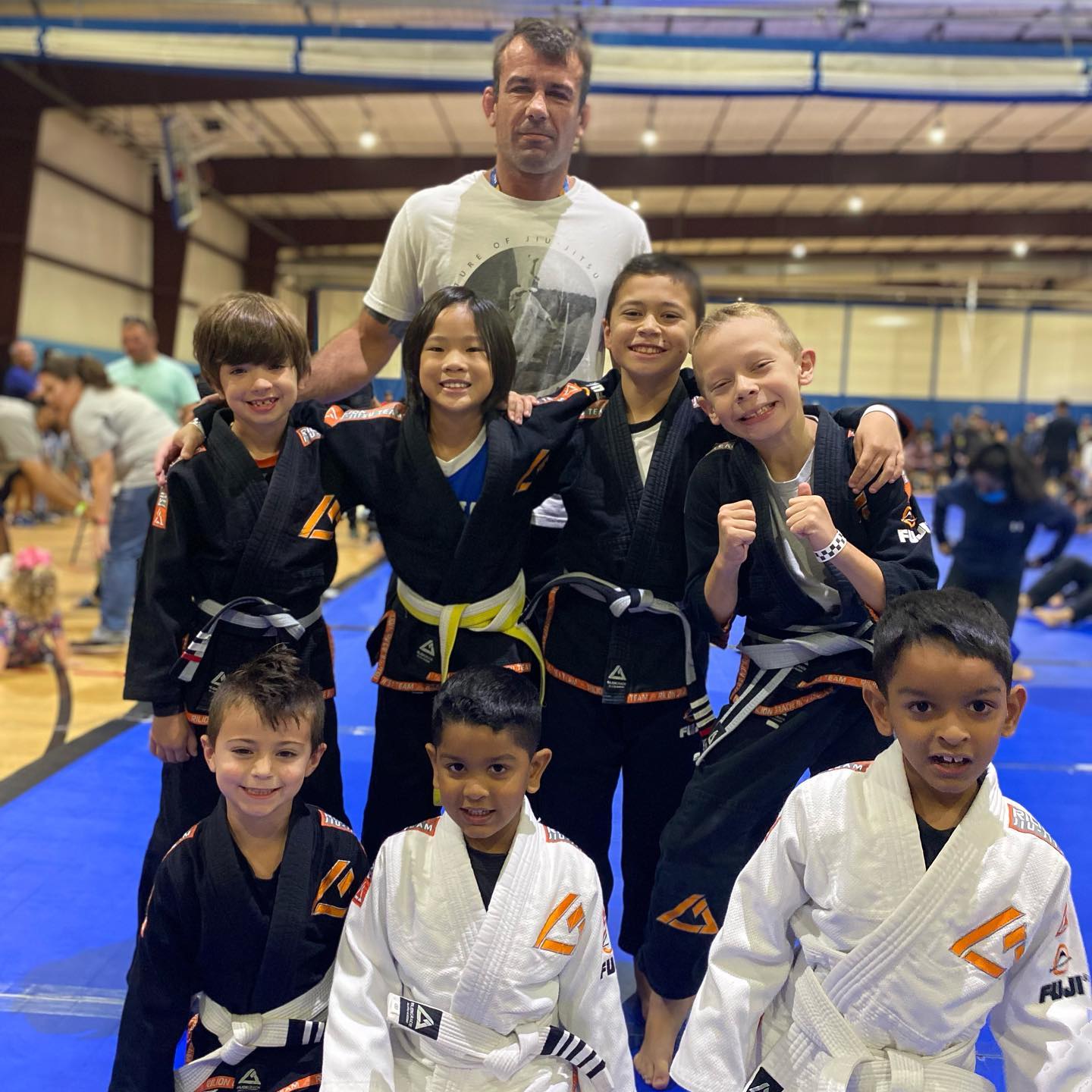
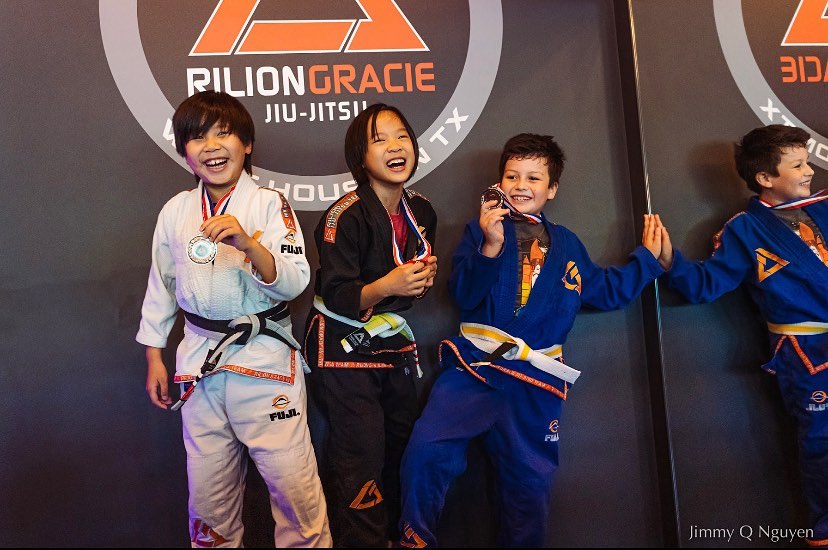
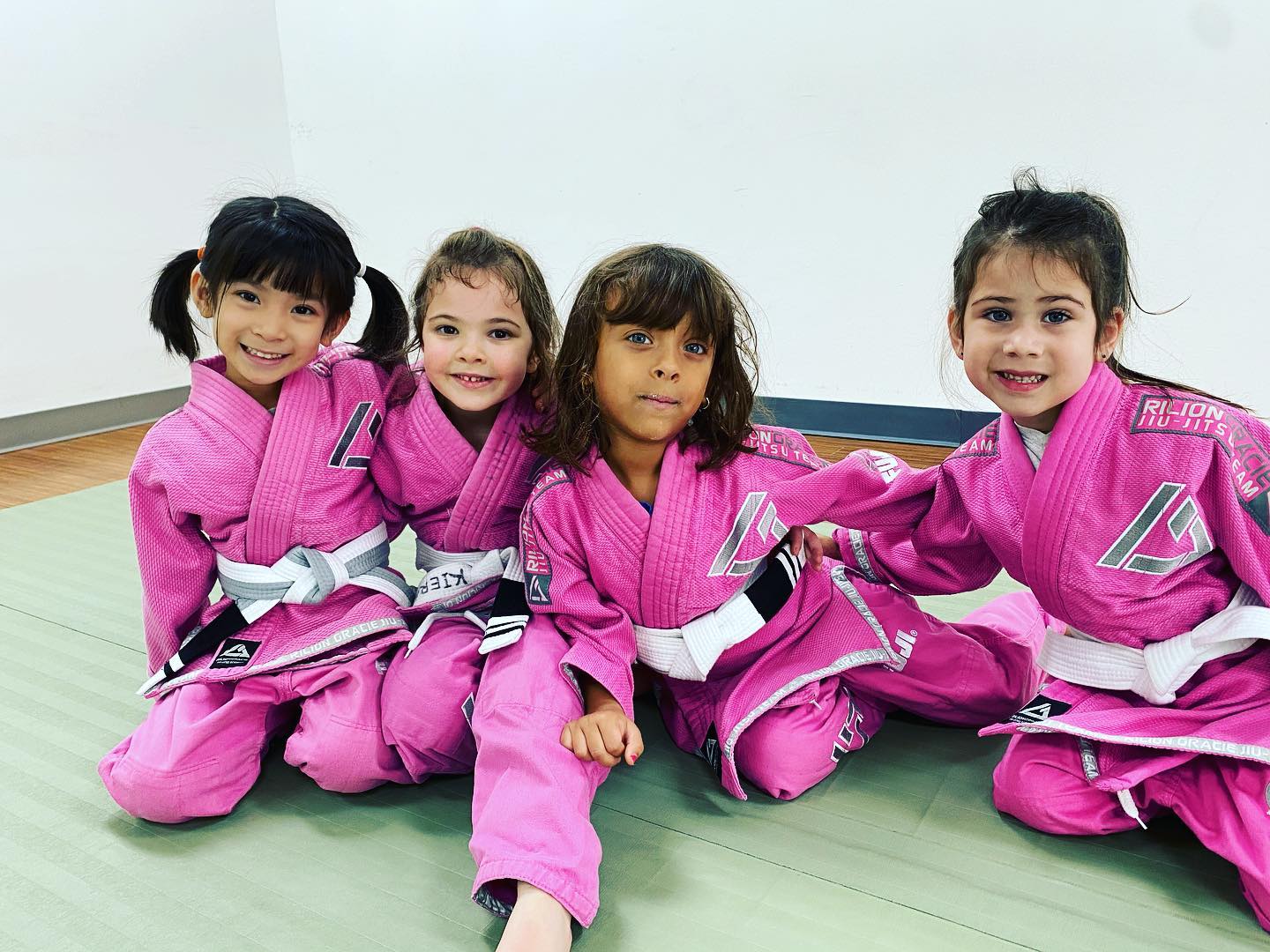
One of the biggest surprises of entering into this jiu-jitsu lifestyle has been the relationships forged within the jiu-jitsu community. Historically, martial arts schools have been known to be nothing more than testosterone filled fight clubs where the weak are filtered out and the remaining are transformed into egotistical meatheads. These niche cohorts, along with comparable ones in sports and in the military, could be pretty intimidating to potential newcomers. Once again, jiu-jitsu is different. Sure, there are plenty of dedicated warriors who are there to fight and compete. However, there are also a large number of hobbyists and families who have no desire to do either.
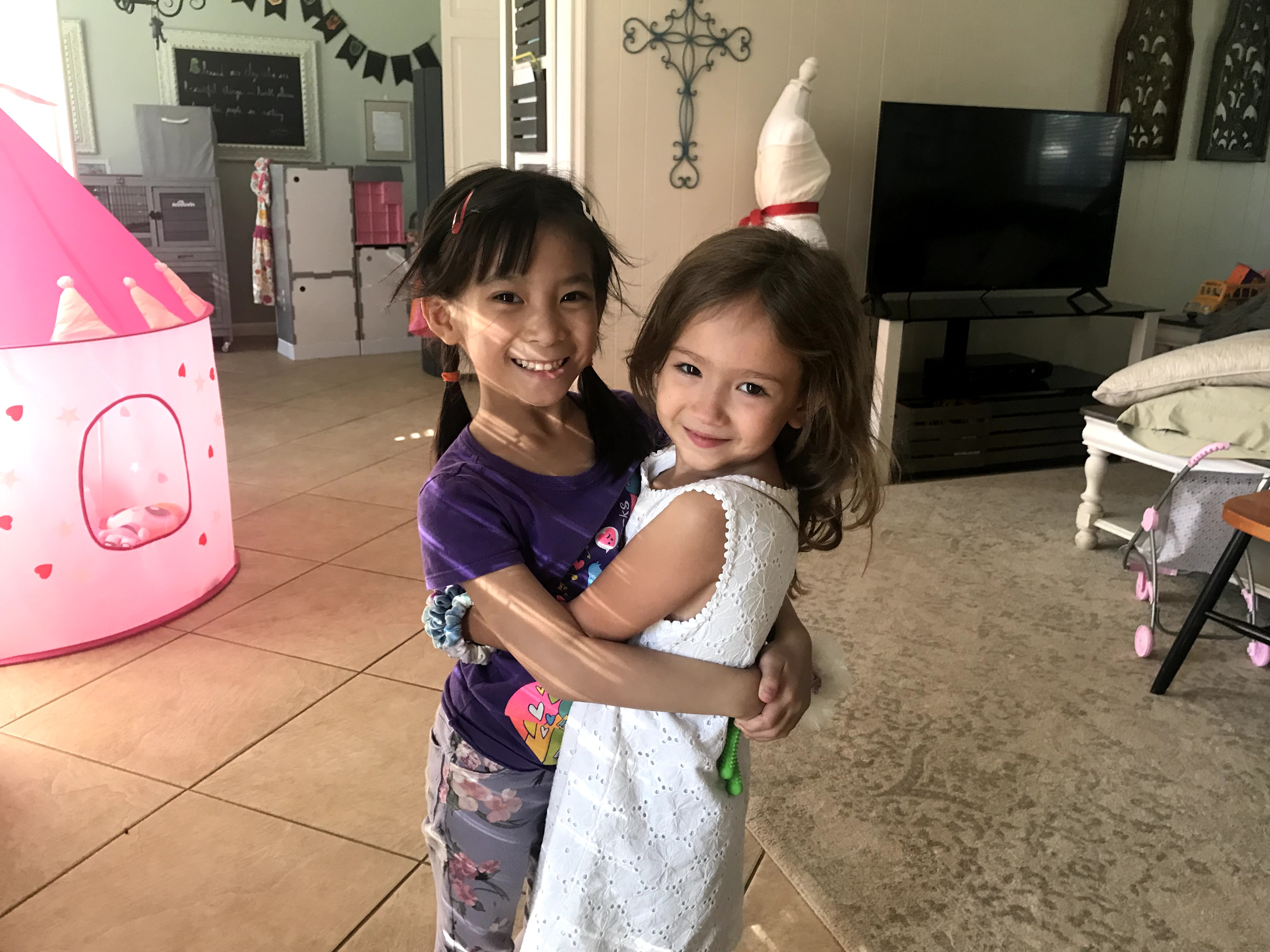
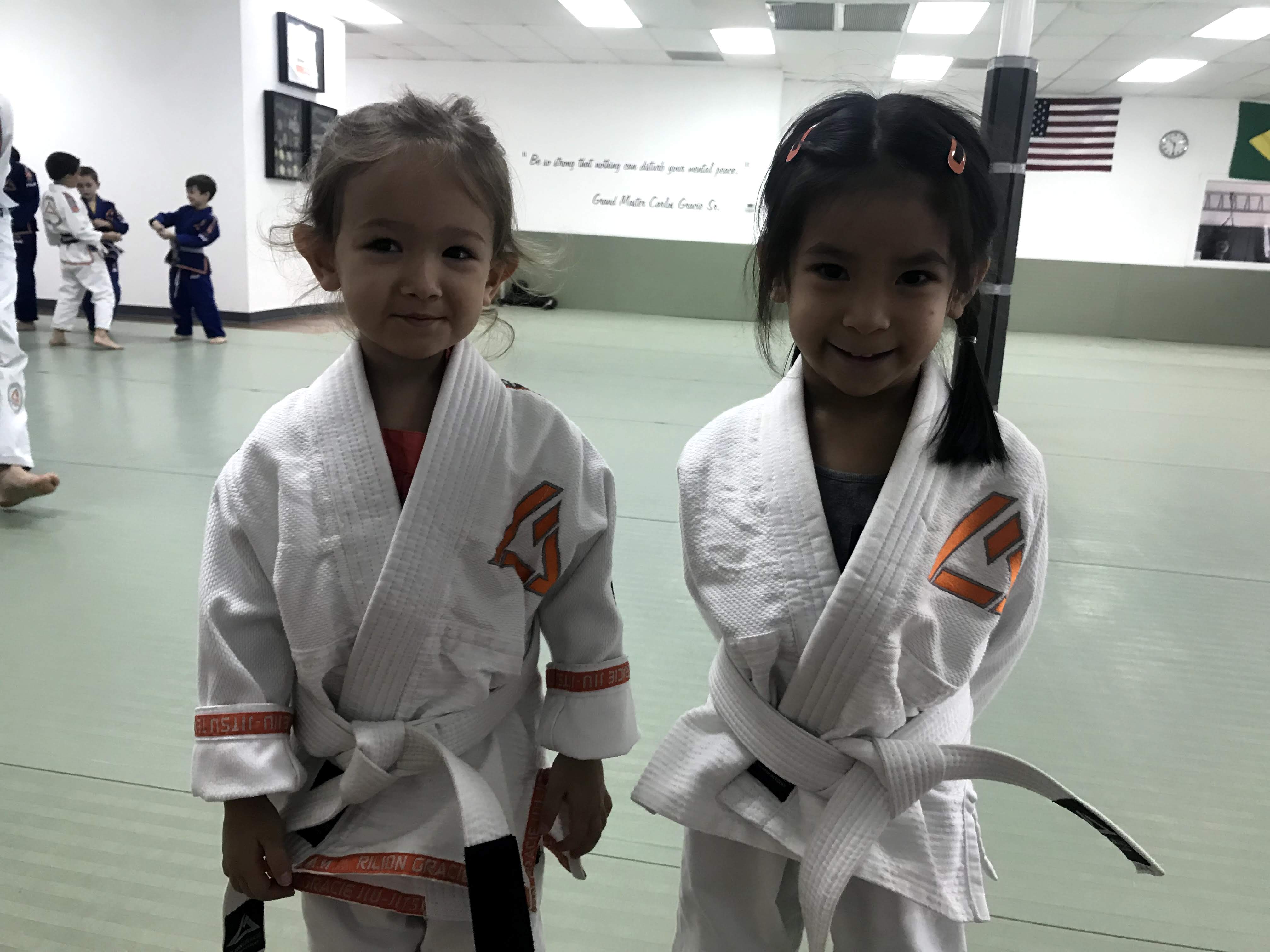
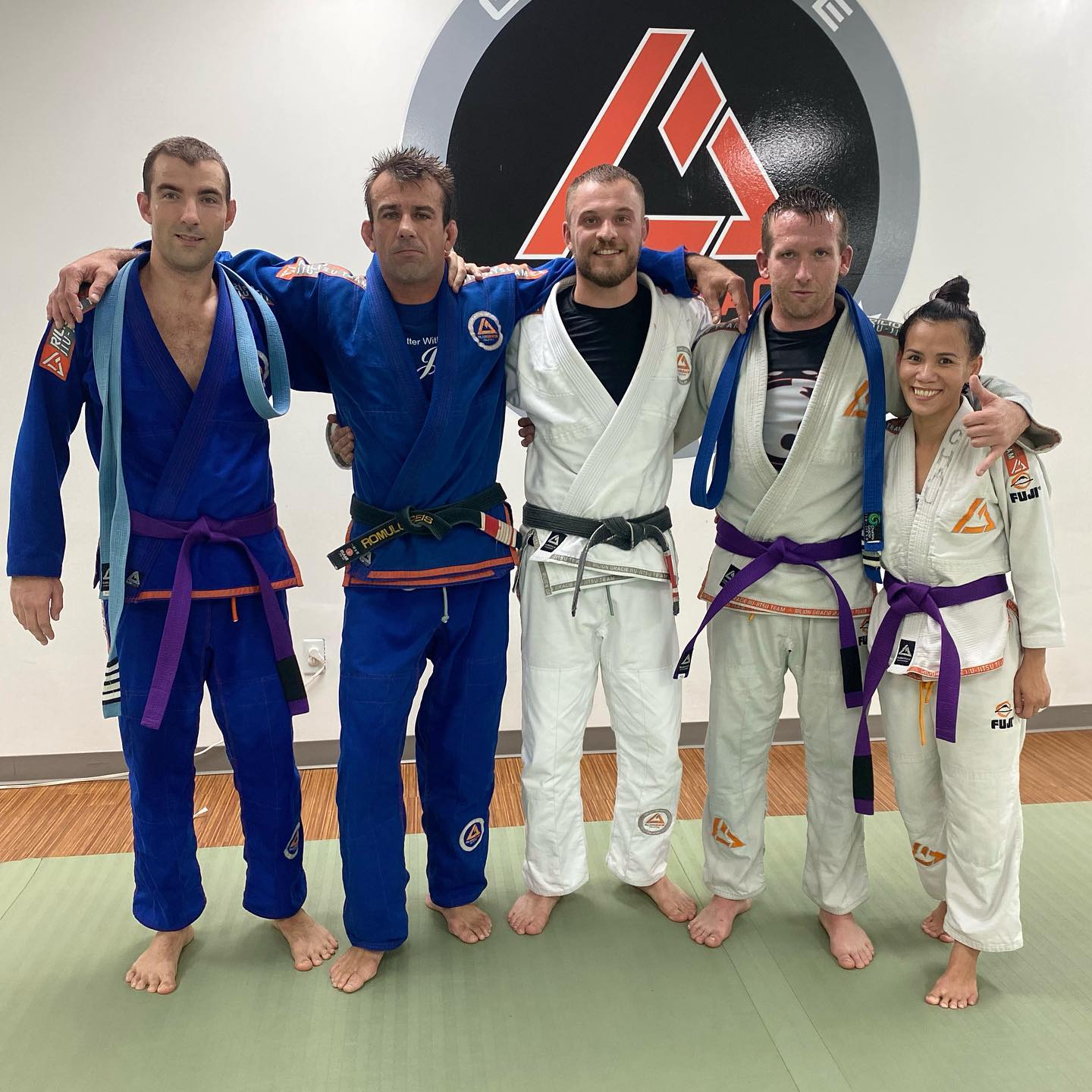
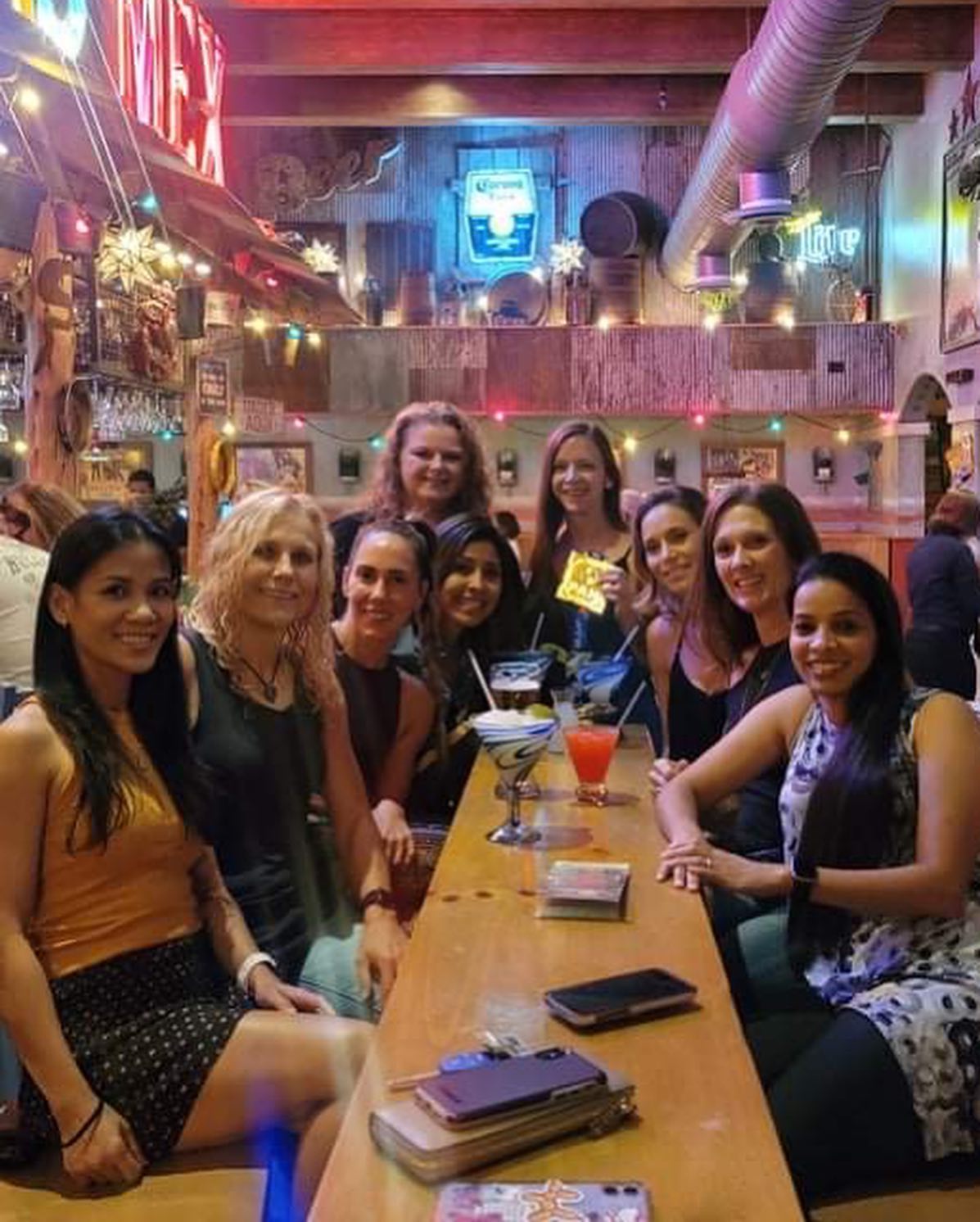
No matter the different levels of experience or belt color, on the mat we are all mere students of the art who are working to learn and grow with mutual respect for one another. Every class is a harmonious mix of practitioners working toward separate jiu-jitsu goals while simultaneously helping each other reach for those goals. Consequently, each member of our family has uncovered a beautiful spider web of meaningful friendships displayed collectively in group settings as well as individually in one-on-one interactions; both on and off the mat. Whether in the nooks of our academy or at the large table in a corner of a nearby restaurant, our family has discovered an oasis of friendly community members who share the practice of living healthy lifestyles from all different walks of life.
Family
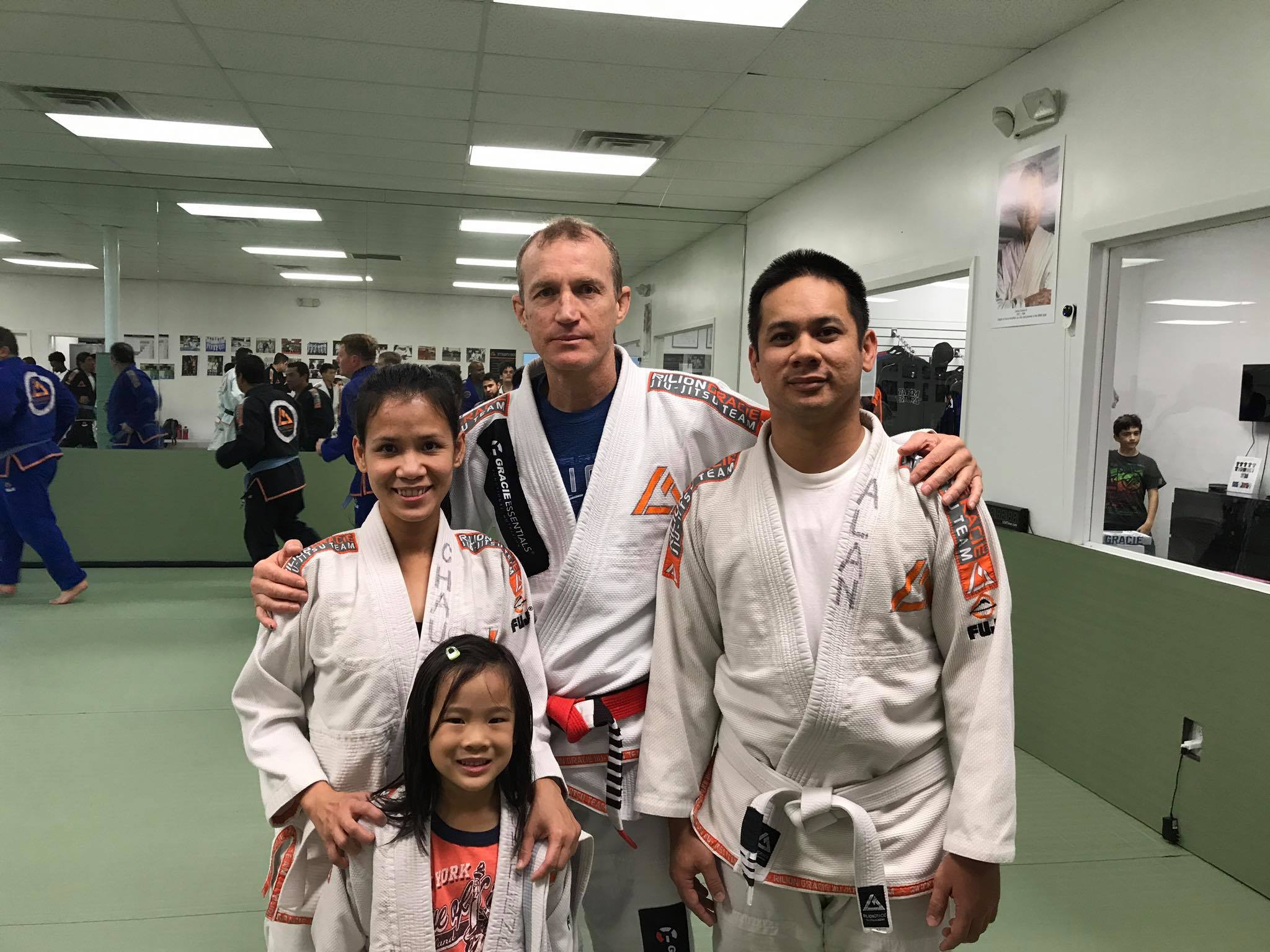
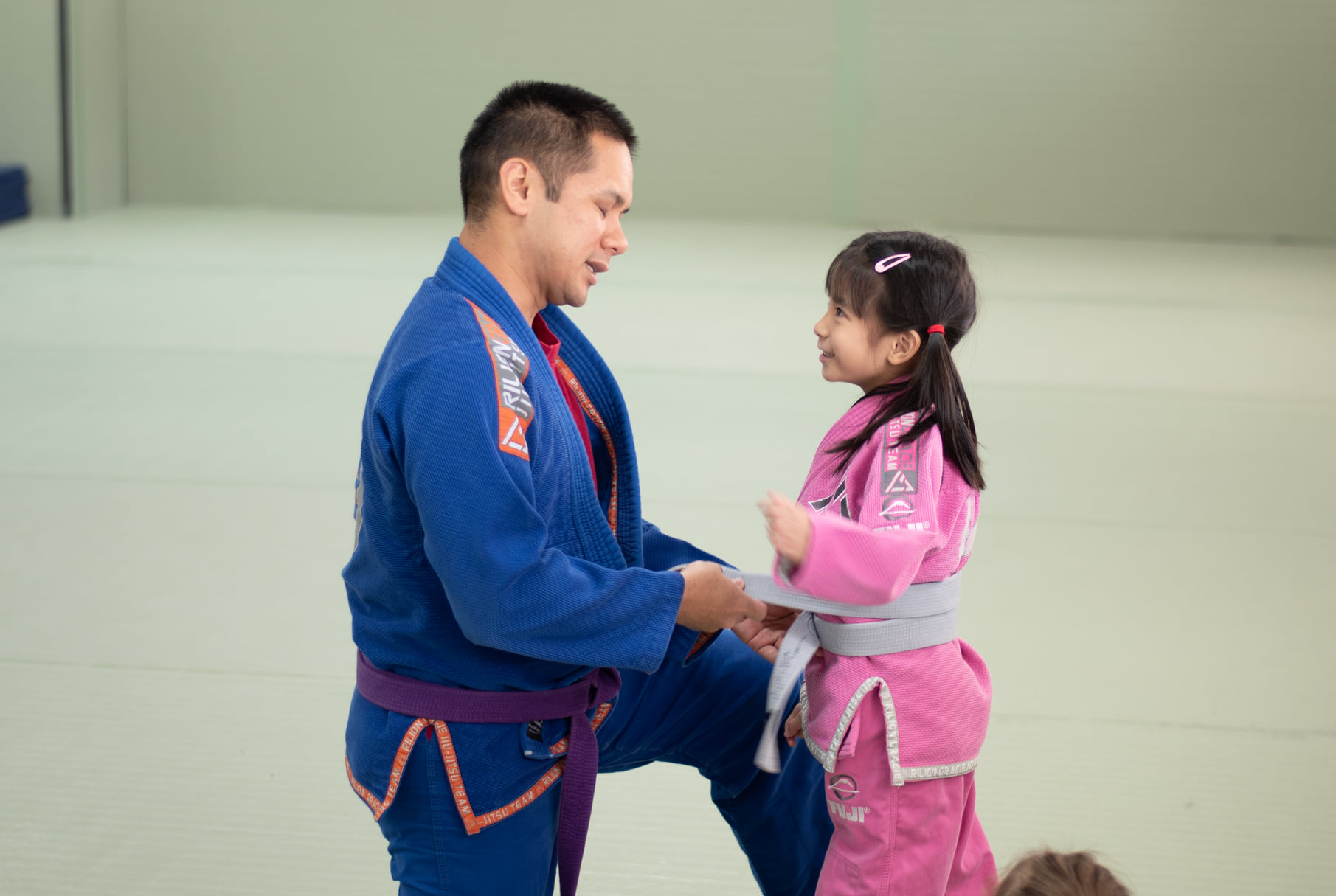
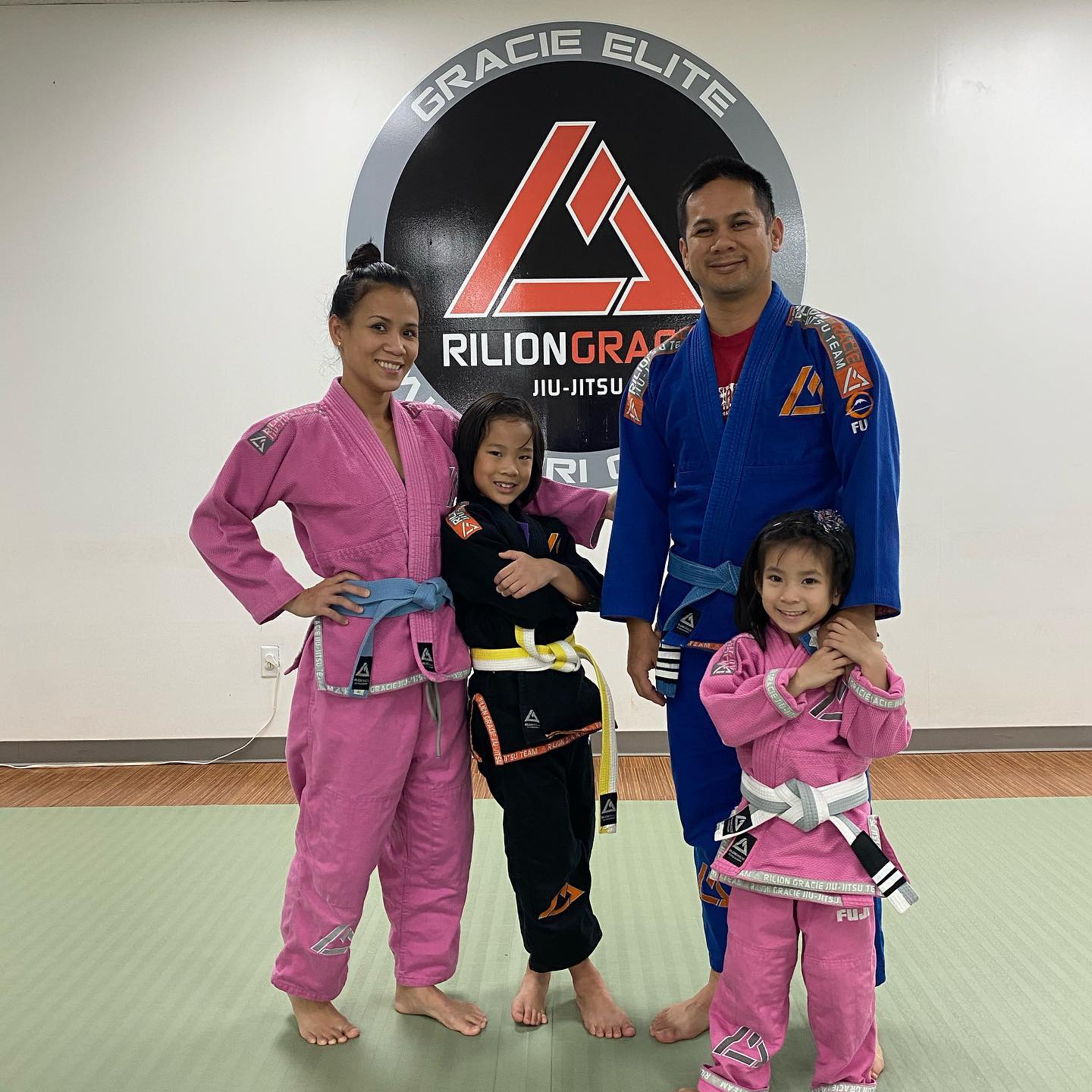
Anyone who knows me knows that I care most about my wife and two daughters. Of all the hobbies that I have picked up as a kid and tried to sustain in my adult life, jiu-jitsu is the only one that brings our family together in so many positive ways. There are things I like doing by myself (writing/running/reading), with other friends (golf/basketball/racquetball), with only my wife (dates/yoga/social media), and with only the kids (games/movies/TV). Jiu-jitsu hits that elusive sweet spot where we all bond together while also learning valuable and potentially life-saving skills. As a bonus, we also have become close with other jiu-jitsu families relishing this same hidden benefit.
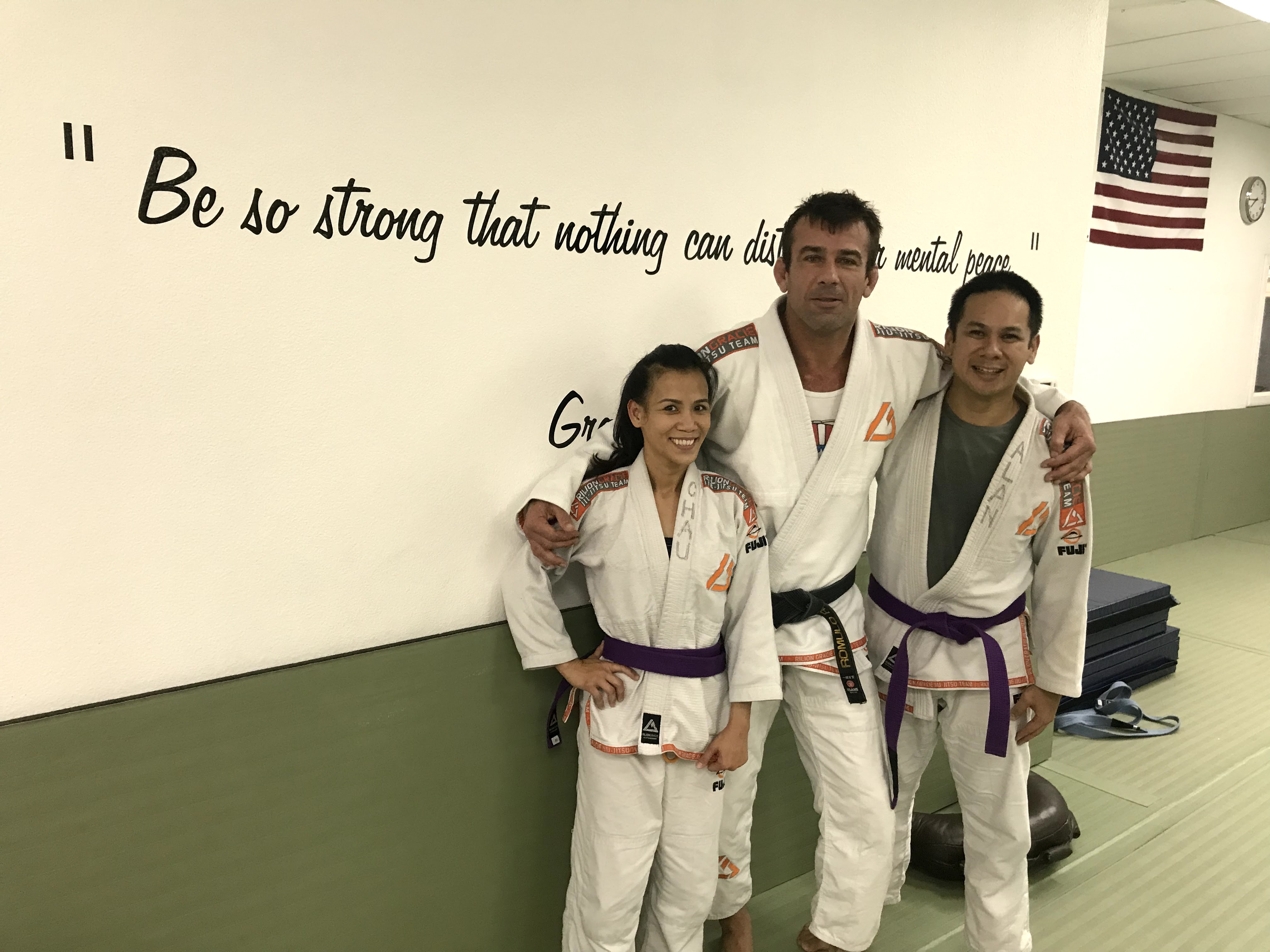
It is also worth mentioning that, while it is not uncommon for spouses to both train jiu-jitsu, it does seem uncommon for spouses to start together. It has been a special part of our marriage to be newly minted white belts at the same time, blindly immersing each other and our daughters into this exceptional odyssey. You never get a second chance to do something for the first time and I am glad we got to experience this one together. I notice that there are times when we influence our kids to keep training and there are times when they influence us. Either way, the “family inclusion” aspect of our jiu-jitsu academy is the primary reason we find ourselves spending most of our free time training jiu-jitsu every week with no signs of slowing down.
Final thoughts
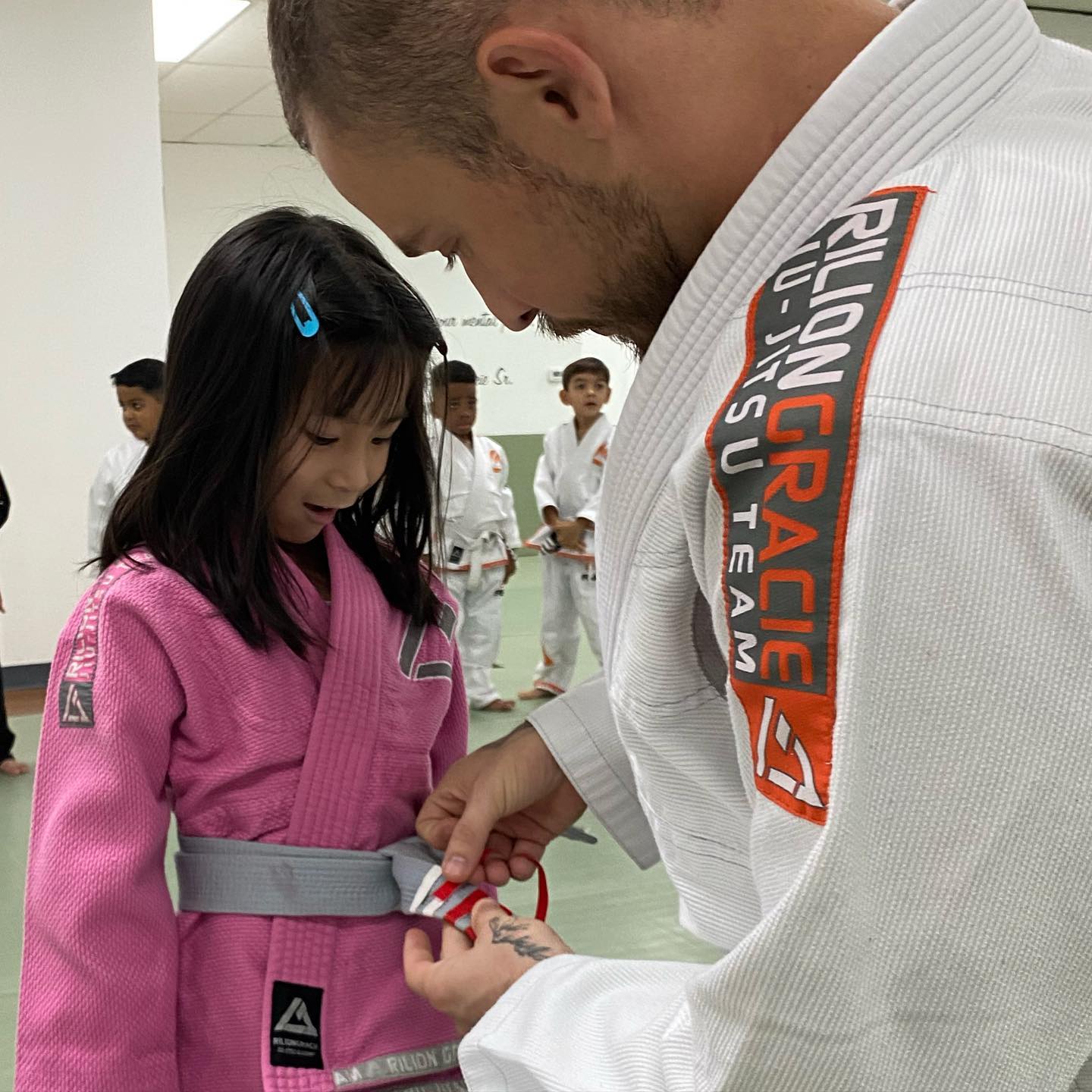
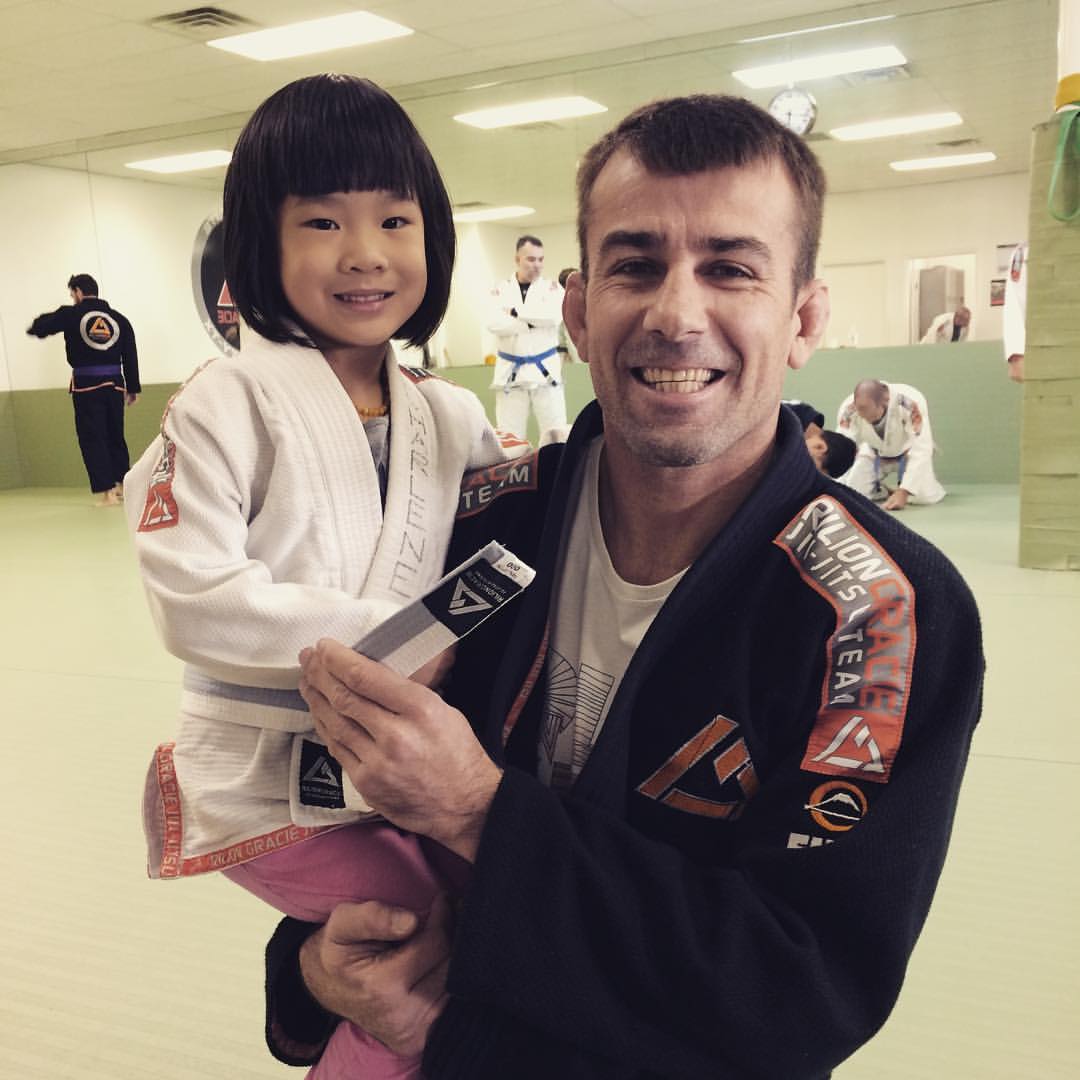
To revel in this extraordinary lifestyle and watch it flourish within our family’s lives is deeply fulfilling. This does not even include the thrill of prepping training partners for competition or the euphoria of cheering for them on competition day. There is also the satisfaction of helping to teach beginners’ classes; conveying lessons of finding victory, improvement, and gratitude in the process. But whether jiu-jitsu is for fighting, fitness, fun, friends, or family, it’s just nice to spend most evenings walking into a place reminiscent of the 80’s TV show Cheers: “Where everybody knows your name, and they’re always glad you came.”
 Fatherhood and Marriage